
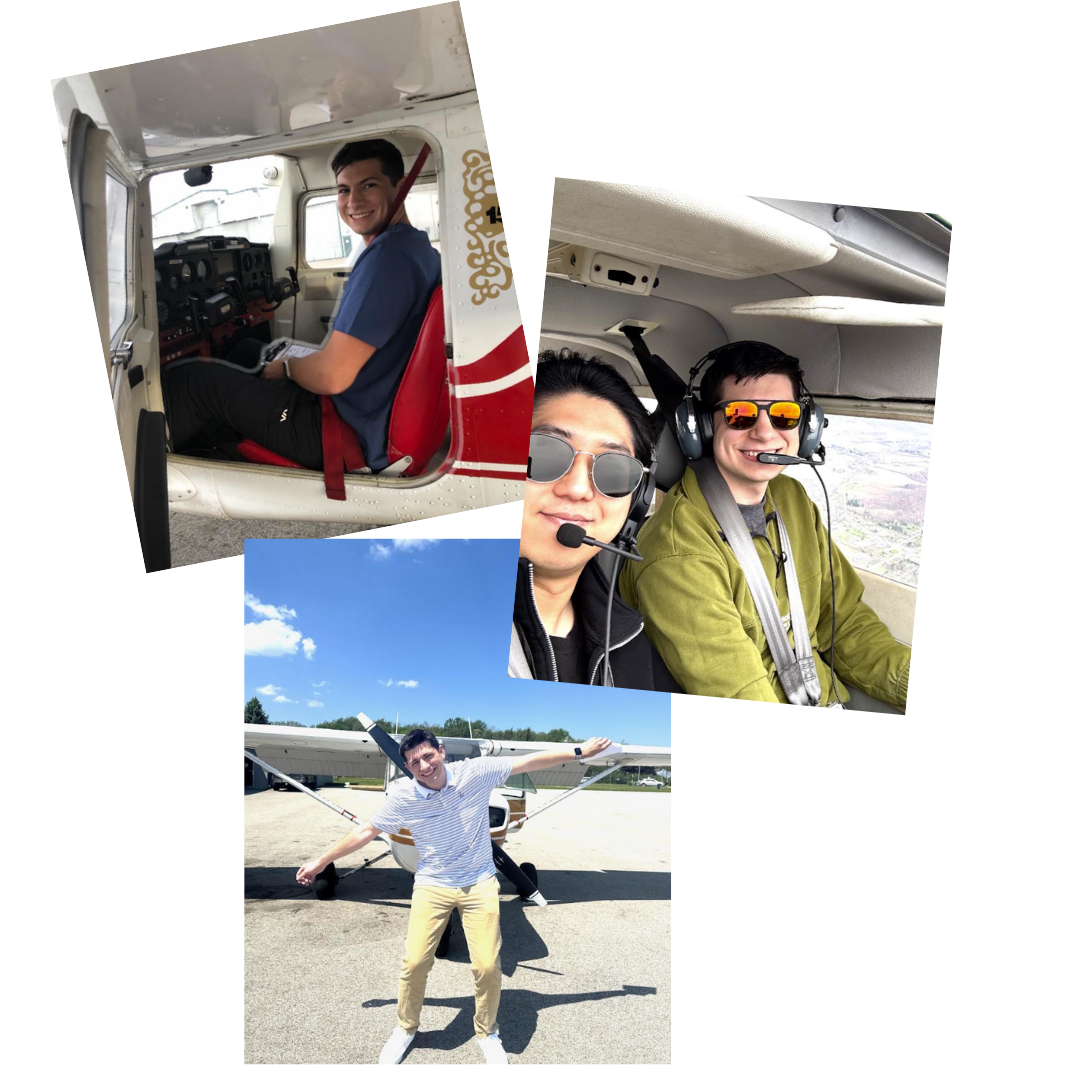
Anthony D'Albora
Anthony chose the Part 141 college route through Gannon University. Before fully committing to the college program, he took it upon himself to get a head start during his senior year of high school. He completed ground school during the winter months when flying opportunities were limited and spent as much time flying as possible whenever conditions allowed.
He believes the college route is extremely valuable, but only if students are willing to push themselves beyond the bare minimum. Simply flying a few times a week and checking off requirements is not enough to succeed. Students must dedicate countless hours to studying, preparing, and prioritizing their long-term goals.
While his training journey was not always smooth, it was incredibly rewarding. The instructors and staff consistently went above and beyond to support students who were dedicated and committed to their success.
Like many aspiring pilots, Anthony faced several challenges along the way. Poor weather created long gaps in training, financial difficulties added stress, aircraft maintenance caused delays, and stage check scheduling often resulted in extended pauses. His training was far from a perfectly structured experience.
However, each obstacle motivated him to keep moving forward. The additional training outside of the syllabus, experience flying in difficult crosswinds, and demanding stage exams ultimately helped prepare him well beyond the minimum standards required for his checkride.
Anthony's ultimate career goal is to become a captain for a major airline, ideally flying long-haul international routes around the world.
For new students beginning their aviation journey, his advice is simple: don't treat flight training like a hobby. Prioritize it as much as your situation allows.
Leaving training on the back burner only creates unnecessary delays and increases costs. At the end of the day, only you can determine your success. Others can guide and support you, but the effort and commitment must come from within.
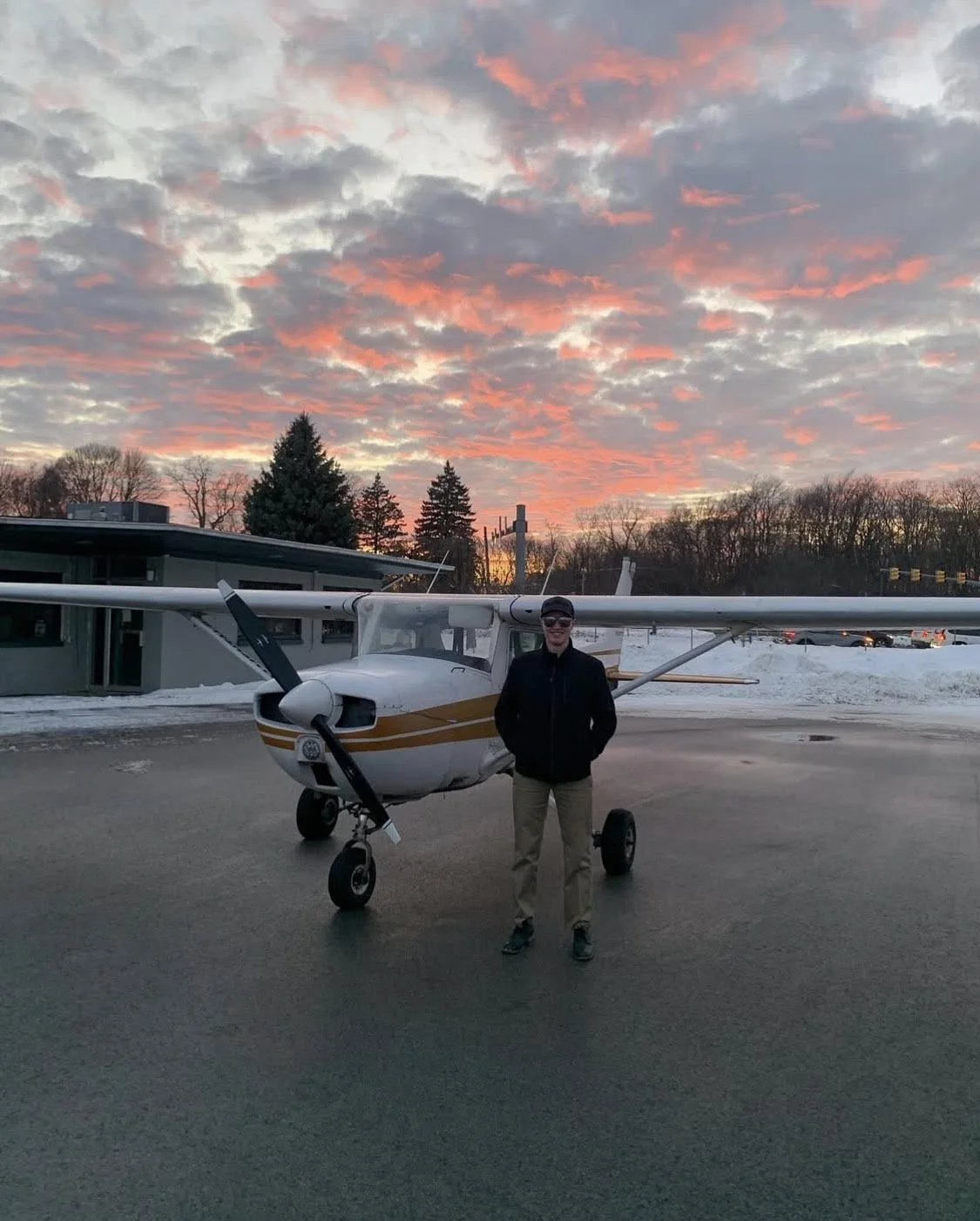
Elliott Dippel
Elliott chose the Part 61 route primarily because of the flexibility it offers. It allows him to work full-time while progressing through flight training at his own pace. When life becomes busy, he can easily adjust his flight schedule to accommodate other responsibilities. Likewise, when he has more free time available, he can dedicate additional hours to training and flying.
So far, his experience has been unforgettable. Every milestone in aviation is one that stays with you for life—your first flight, first solo, first cross-country, and first checkride. For Elliott, one of the most rewarding aspects of flight training is looking back and realizing just how far he has come since the beginning of his journey.
His ultimate goal is to either fly for a major airline or work in private charter operations. In his eyes, as long as he gets to fly for a living, he'll be happy.
For anyone just beginning their aviation journey, Elliott's advice is to stay confident and not become discouraged. One of the most intimidating parts of training for him was realizing just how much knowledge is required to become a pilot.
Learning to fly an airplane is only the tip of the iceberg. There is a tremendous amount of information beneath the surface that new students often don't expect. While it can seem overwhelming at first, persistence and confidence go a long way.
As long as you stay focused, work through the challenges, and never forget right rudder, you'll be just fine.
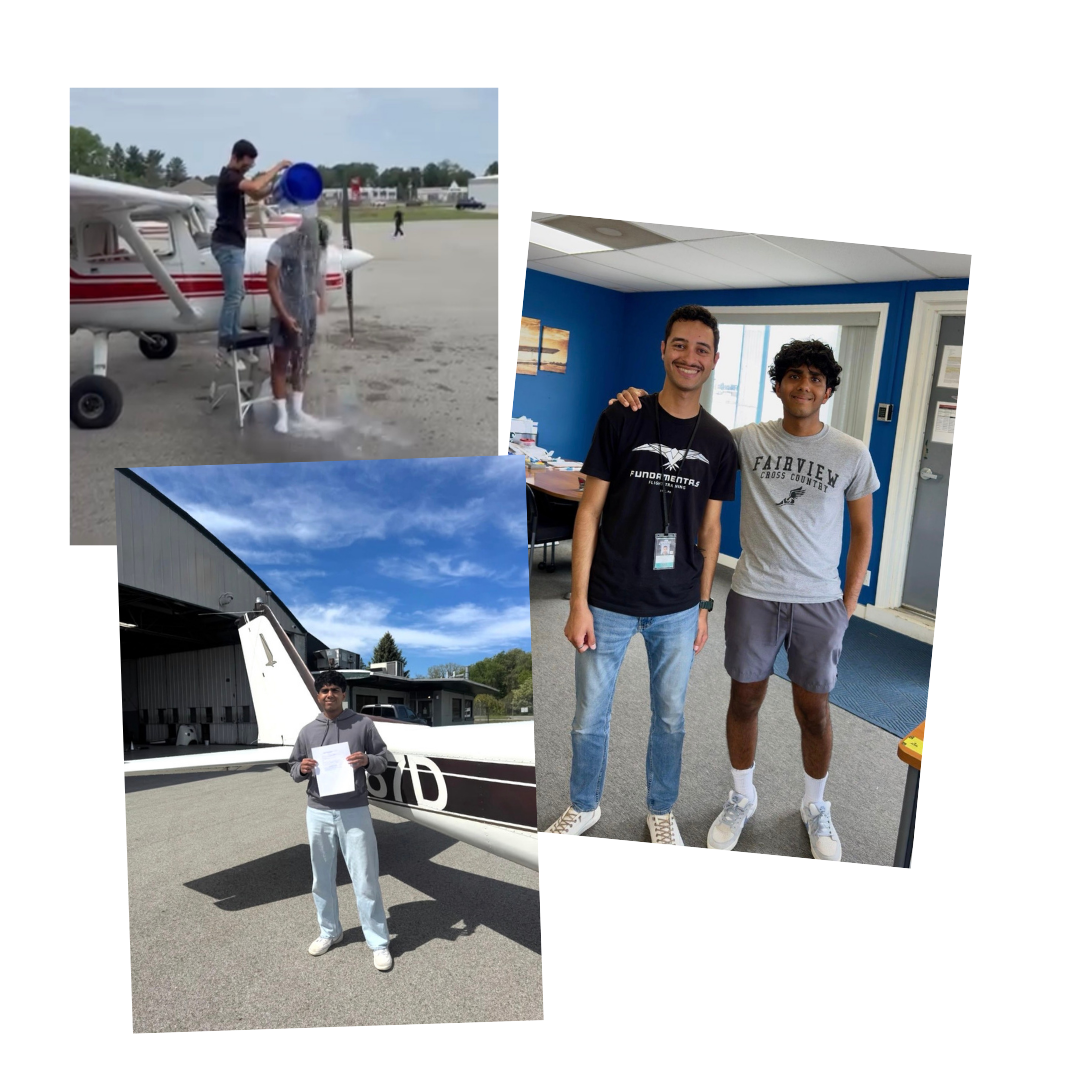
Sai Devineni
Sai chose the Part 61 route for flight training when he was 15 years old because it offered the flexibility he needed while still attending school. This proved to be the right choice, as it allowed him to schedule lessons around his academic commitments and spread his training out until he turned 17 and was eligible to take his checkride.
Beginning flight training at such a young age was a significant step. He quickly realized that becoming a pilot required much more time, effort, and dedication than he initially expected. Between flight lessons and ground school, there was a tremendous amount of knowledge to learn and skills to develop.
His interest in aviation began when he was uncertain about what career path he wanted to pursue. After taking a discovery flight, he discovered not only how enjoyable flying was, but also that it was a career he could see himself enjoying for the rest of his life.
Looking back, the experience has been both challenging and rewarding. The training process taught him discipline, responsibility, and the importance of consistent preparation.
For anyone considering flight training, his advice is simple: always review the material and arrive mentally prepared for every lesson. Being ready before each flight saves both time and money while helping students make the most of their training.
Most importantly, don't let the difficulty of flight training discourage you. While becoming a pilot requires hard work and dedication, the rewards make it all worthwhile. If aviation interests you, take the leap and go for it.